

No HR manager or professional enjoys writing a disciplinary warning letter. Most of them find it insensitive and mostly prefer to delegate to another colleague. When disciplinary letters such as verbal warnings, written warnings, or final notices is handled informally, inconsistently, or without objective evidence, companies expose themselves to costly wrongful termination claims, labor union disputes, and constructive dismissal suits.
While a lot could go wrong if disciplinary warning letter is not written well, yet in many businesses these letters are still written from an old folder, edited at the last minute, and sent with mismatched wording from one manager to the next. This inconsistency is exactly what causes problems later on.
For this reason, most businesses are integrating disciplinary warning letter generators in their operations. This software does not only generate the letter but fill in the facts accurately, route them for review, and keep a proper record.
What is Disciplinary Warning Generator?
A disciplinary warning generator is an automated tool or software feature that employers, HR professionals, managers and supervisors use to create formal warning letters, verbal warning confirmations, first written warnings, final written warnings, and notices of disciplinary meetings or disciplinary notices for employees.
This is how the disciplinary warning generator workflow works
- The system displays the employee’s record, including any previous warnings.
- HR selects the appropriate letter type based on your policy.
- Key details of the employee such as name, role, date, and description of the issue are filled in.
- The letter goes through an approval step, for example, HR or legal review.
- Once approved it is sent to the employee for acknowledgment or signature.
- The letter and related notes are stored securely in the employee’s records.
What are the Benefits of Using Automated Disciplinary Warning Generator
Here some of the benefits of adopting automated disciplinary warning generator In your HR workflow
Proper Records
The platform keeps records of the disciplinary letter with notes, acknowledgements, what was said and the date the letter was issued. When the situation escalates, you have documentation and an audit trail of what happened.
It supports progressive discipline
The system can display an employee’s disciplinary history and recommend the next appropriate step according to your policy (e.g., first warning to final warning).
Time saving
Generating a letter from a guided input takes minutes rather than an hour of drafting. This allows HR professions to focus on the conversation instead of the paperwork.
Built-in review
The system approval workflows make sure all the letters that go out are reviewed and confirmed, which helps flag insensitive tone, accuracy, and legal concerns.
Consistency
The software ensures that all disciplinary letters follow a uniform format and structure across the organization.
What Features Makes a Disciplinary Warning Generator the Best For your Business?
Before you buy a disciplinary warning generator for your business check if it has the following features:
Ability to modify letter templates
The platform should allow you edit and add your company policy and culture. Verify that the platform or software provides separate templates for different stages and scenarios such as meeting invitations, verbal warning confirmations, written warnings, final warnings and outcome letters.
Progressive discipline tracking
The software should be able to record previous warning letters and show where an employee stands under your policy. The platform should also show the timestamp and date of when those letters were issued to the employee.
Approval workflows
The software show allows all letters that go out to be approved by the authorized superior before being issued. The letter may be reviewed by HR, a senior manager, or a lawyer.
Incident descriptions
The software must encourage factual descriptions, such as what happened, when, and which policy was involved.
Jurisdiction-aware rules
The requirements for discipline, such as notice of meetings, the right to a lawyer, and the right to appeal different depending on the country and region. Choose a tool that lets you align workflows to local requirements.
E-signature and acknowledgment
The software must be able to send the letter and collect a signed or logged acknowledgment of receipt at the same time. This gives you a stronger record in case of a dispute. However, you must keep in mind that acknowledging receipt is not the same as agreeing with the content.
Robust storage and access controls
Disciplinary records are very sensitive. Look for software that has role-based access, encryption, and audit trails so only authorized people can see them.
Integrations
Make sure the platform allows connections to your HRIS, case management, and document tools. This helps reduce double entry and helps keep records consistent.
Reporting and analytics
The software should be able to produce reports that show patterns by team, manager, or issue type. This help you spot training needs or problems early.
East to use and support
The tool should be easy for managers and HR professionals to use and must have a 24/7 supports and a training team that is readily available.
Top Automated Disciplinary Warning Letter Generators
Here is an analysis of the top software solutions for generating disciplinary warning letters base on our research and use of the platforms:
1. HR Docket
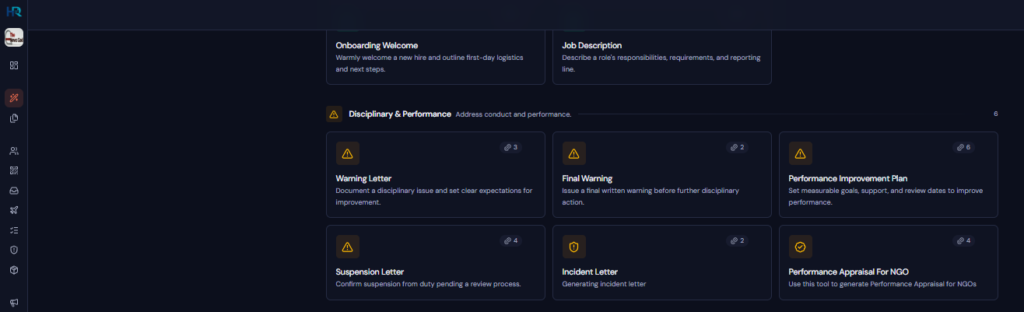
HRDocket is an AI-powered HR documentation, employee records, and workplace management platform that helps businesses manage employment documentation from hiring to offboarding. Its disciplinary warning letter generator features a AI guided input where managers select the governing jurisdiction, link prior incident logs, select the warning level before generate an audit ready warning letters in minutes.
Pros:
- HRDocket eliminate ambiguous and insensitive disciplinary letters.
- The platform combines disciplinary tracking with handbooks, probation reviews, and asset management.
- It is easy to use and has 24/7 online support
- It is a freemium platform making it cost-effective for growing small and medium businesses.
Cons:
- Its primary focus is on administrative HR workflows and document automation rather than an industrial union grievance software.
2. BambooHR

BambooHR is a complete HR platform with a centralizes employee records, performance tracking, and custom document templates. HR teams can build custom disciplinary letter templates and route them directly to employees for signature during disciplinary reviews.
Pros:
- It combines disciplinary records with core HRIS employee profiles, performance reviews, and onboarding.
- It has friendly user interface and easy to use
- It has a strong task assignment control across management levels.
Cons:
- Complex legal clause adaptation relies on manual setup
- It expensive for small and medium business
3. Factorial
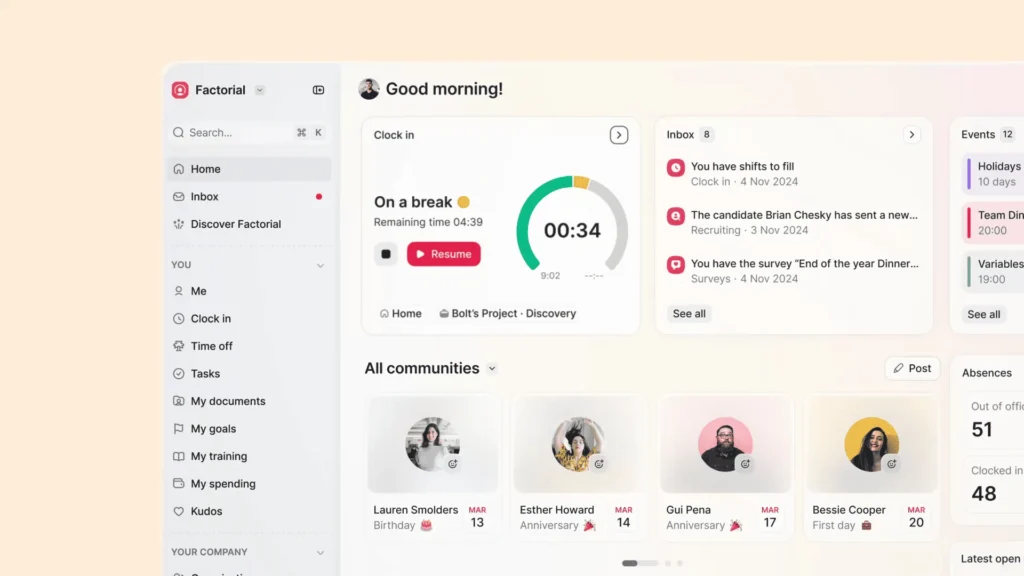
Factorial combines employee record management, performance appraisals, and document generation into an AI-assisted workspace. HR managers can connect formal disciplinary notices directly to performance review scores and task tracking.
Pros:
- Friendly interface and easy to use
- Connects disciplinary notices directly to performance review metrics.
- Strong mobile app support.
Cons:
- Requires manual setup for state by state legal updates.
4. Trilliant Software
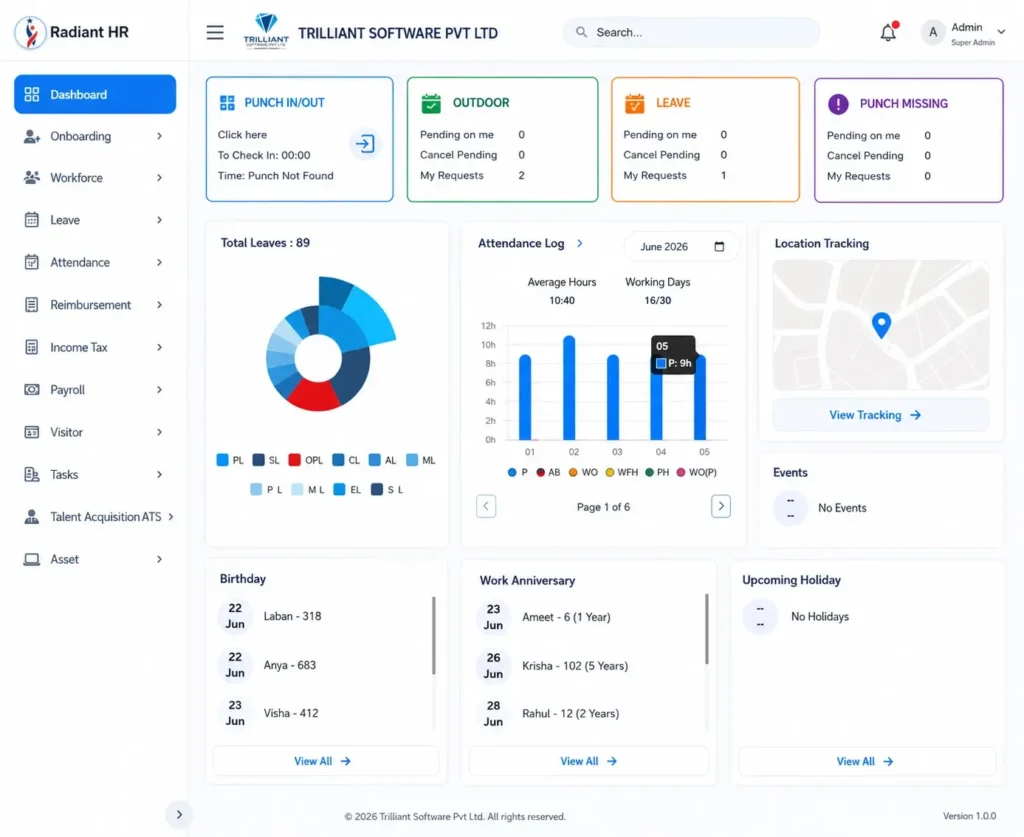
Trilliant Software offers a free web-based Warning Letter Generator alongside its broader HRMS platform. HR administrators can fill out employee details, violation descriptions, and corrective expectations to preview and export formal warning letters in Word or PDF format.
Pros:
- Completely free with no registration required.
- Flexible export formats (Word, PDF, plain text).
- Easy tool for quick and one-off document creation.
Cons:
- Free tool does not track historical employee records
- Free version does not capture digital e-signatures automatically.
5. Springhire
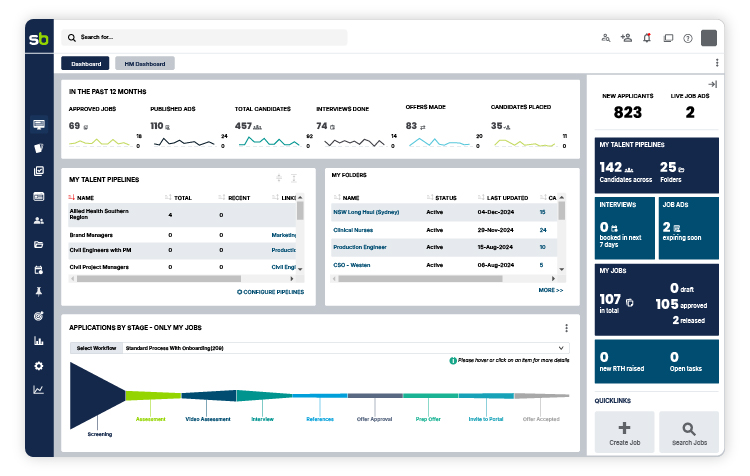
Springhire provides effective HR communication tools and template generators designed to standardize routine HR workflow. Its Disciplinary Warning tool allows HR managers to choose appropriate tone styles such as formal, firm, or direct tone to generate structured warning notices instantly.
Pros:
- Fast tool for generating email-based disciplinary notifications.
- Clean tone customization options.
- Free tool with zero barriers to entry.
Cons:
- Lacks backend employee database tracking and audit history
- It has no built-in e-signatures.
Frequently Asked Questions (FAQs)
Q1: What is the difference between a verbal warning, a written warning, and a final warning?
Verbal Warning: An informal face-to-face conversation between the manager and the employee about a policy breach.
First Written Warning: A formal document issued when verbal warnings fail to resolve an issue. It states the specific policy breaches, what is expected, and a timeline for re-evaluation.
Final Written Warning: A formal document issued for misconduct or repeated failure to improve after a first written warning. It mostly warns the person that a repeat of the issue will result in immediate termination of employment.
Q2: How long should a warning stay on record?
It depends on your organization policy and the labor law of the country you operate. Most organization set 6 to 12 months.
Q3: What types of letters can disciplinary warning generator produce?
A disciplinary warning letter generator can produce meeting invitations, verbal warning confirmations, written warnings, final warnings, and outcome letters.
Q4: Can a company jump straight to a final written warning for a first offense?
Yes. It will depend on severity of the offense. Offenses or misconduct such as such as physical violence, theft, severe harassment, gross insubordination, or major safety violations can result in straight final warning letter.
Q5: Do I need a meeting before sending a warning?
It most situation yes because having conversation before sending the waring is good practice.
Q6: Is this software suitable for small businesses?
Yes. Small business needs it more because they most prone to administrative errors.
Conclusion
Automating disciplinary warning letters replaces wrong wording and insensitive tones with formal and consistent disciplinary warning letters. This helps managers and HR professionals’ issue clear, consistent, factual, and audit-ready letters.
Before you pick any platform, check their advantages and disadvantages and how they fit your business operations.